Tree removal happens for a lot of reasons, such as safety concerns, storm damage, home improvement projects, or dead trees in the way of something new. But what many people don’t think about is what happens after the tree is gone. At Pro Tree Service, we’ve handled thousands of tree cutting jobs throughout the Chicago area, and we’ve seen how removing a tree can unexpectedly affect the land around it. If you’re dealing with drainage issues, foundation cracks, or soggy ground, the tree you just took down might be part of the story.

Tree Roots Help Manage Water Flow
Mature tree roots soak up a lot of moisture and help move water through the soil. When a tree is cut down and those roots begin to decay, water may no longer drain the same way. Areas that were once dry could become muddy or flooded, especially after heavy rain.
Soil Can Shift After a Tree Is Removed
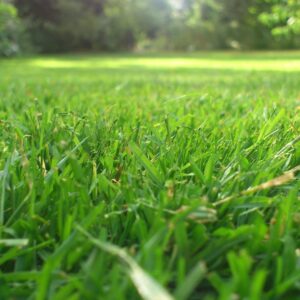
The ground beneath a tree is often stabilized by the roots. Once those roots start to rot and collapse, the soil above can settle unevenly. This can cause dips in your yard or even contribute to foundation shifts near patios, driveways, or homes.
Foundation Cracks Can Develop Slowly
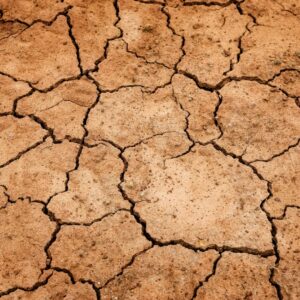
If a tree was close to your home, its removal might cause changes in soil structure that eventually show up as cracks along the base of your house. This doesn’t happen overnight, but small shifts (like drainage patterns) can add up.
New Water Paths Can Create Erosion
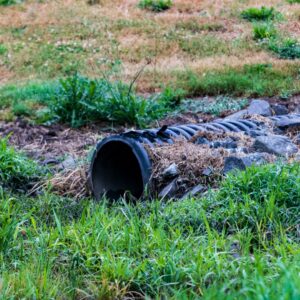
Without the tree’s canopy to slow rainfall or roots to hold soil together, water runoff may increase. You might notice more erosion in certain parts of your yard, especially near downspouts or low-lying areas. If the ground begins to pull away from walkways or your foundation, that’s a sign to act.
Pro Tree Service in Chicago provides bush removal and tree services that consider what happens below the surface, not just what’s visible above it. For tree care, tree cutting services, and more, call Pro Tree Service before your soil takes a turn for the worse.