Tree Service in Homewood, IL
A healthy tree in Homewood measuring 12 inches across at four and a half feet is not yours to remove on a whim. The village says so plainly in its Tree Management guidance: if a tree “is healthy and larger than 12″ across at 4.5′ above ground, then a tree removal permit is required.” That permit comes through the Building Division. Behind it sits zoning Chapter 44, Article V, and a replacement schedule of three or four trees for one. That is why tree service Homewood buys has to be priced with the paperwork inside it.
Twelve Inches, And Then Three Trees Back
Sections 44-05-06 and 44-05-07 carry the machinery. The code requires a tree preservation plan for living, healthy trees of twelve inches or greater at 4.5 feet. A certified arborist or landscape architect must prepare it, the village arborist must approve it, and it must inventory every covered tree by location, size, species and health.
The code permits removal on four grounds. The tree is dead, dying, diseased or hazardous; it interferes with public services; it blocks a development that cannot be redesigned around it; or it is invasive. Where the village allows removal, a tree of 12 to 24 inches requires three replacements and anything above 24 inches four. Each must be at least 2.5 inches at planting. A fee in lieu exists per the village fee schedule, amount unpublished. The village fines construction damage at a figure “determined by the village arborist” using Council of Tree and Landscape Appraisers methods. Those ratios are why a tree service Homewood quote has to cover what goes back in, not just what comes out.
What Tree Service Homewood Needs On Public Ground
The code handles public trees separately and, refreshingly, for free. Section 34-174 forbids anyone to “cut, break, injure, trim, repair, treat, spray, plant or remove any trees” in a public place without a permit. The public works director issues it at no charge where the work looks beneficial. Section 34-175 sets root breathing room: a three-inch tree needs ten square feet of open ground, plus a square foot per two inches of added diameter.
Section 34-177 bans planting cottonwood, willow, Carolina poplar, soft maple “or any tree having thorns.” For what to put in instead, the Morton Arboretum’s plant advice is the regional reference. Sections 20-85 and 20-86 oblige owners to remove dead, diseased or damaged trees, though the code publishes no compliance period in days.
Registered in Homewood, with a rolling expiry to watch. Chapter 12, Article V expressly lists landscape contractors among the trades that must register. The bond “shall extend over the registration period and be in the penal sum of $10,000.00.” Insurance runs to “bodily injury and property damage in the amount of $500,000.00 for each occurrence and $1,000,000.00 aggregate,” plus workers’ compensation. Registrations “expire annually on the anniversary date of issuance” rather than on 31 December. That is how firms end up working unregistered without noticing, and it costs 100 percent of the usual fee on top of the fee. Ask any tree service Homewood quotes you for its current registration date. The Building Department is at 2020 Chestnut Road, 708-206-3856.
A Village Built On An Ancient Shoreline
Homewood sits on the Calumet Shoreline, the beach of a glacial lake. It is still readable in the ground as a sand ridge along Ridge Road, which with Dixie Highway forms the historic downtown crossing. At 659 feet it is the highest ground for miles, and it spans four townships — Bremen, Rich, Thornton and Bloom. Canadian National keeps its American headquarters here, with a large freight classification yard; the village has been a railroad town since the 1920s.
Sandy ridge soil drains, and that shows in the flood figures. Six properties sit on the repetitive-loss list, none severe, with a 100-year floodplain of 115.90 acres and a 500-year of 144.78 — the smallest in the corridor by a wide margin. The named problems are few. Ridge Road takes water across homes and roadway; Chayes Park Drive saw the road close and a culvert collapse; and Heather Road floods near Stewart Avenue.
The village also makes a claim about its trees that almost no municipality will put on paper: “through continued tree removals and trims, we have decreased our storm damage significantly.” That is a direct statement that proactive pruning worked, from a place that measured it. It is the best argument going for booking tree service Homewood on a cycle rather than after a failure. Homewood is a Tree City and maintains all trees in parkways and public property, with a shared-cost planting program. Contact Public Works before touching a village-maintained tree.
Tree Service Homewood: What We Handle
- Removals on the four permitted grounds, preservation plan handled properly
- Trimming of the kind the village credits with cutting its storm damage
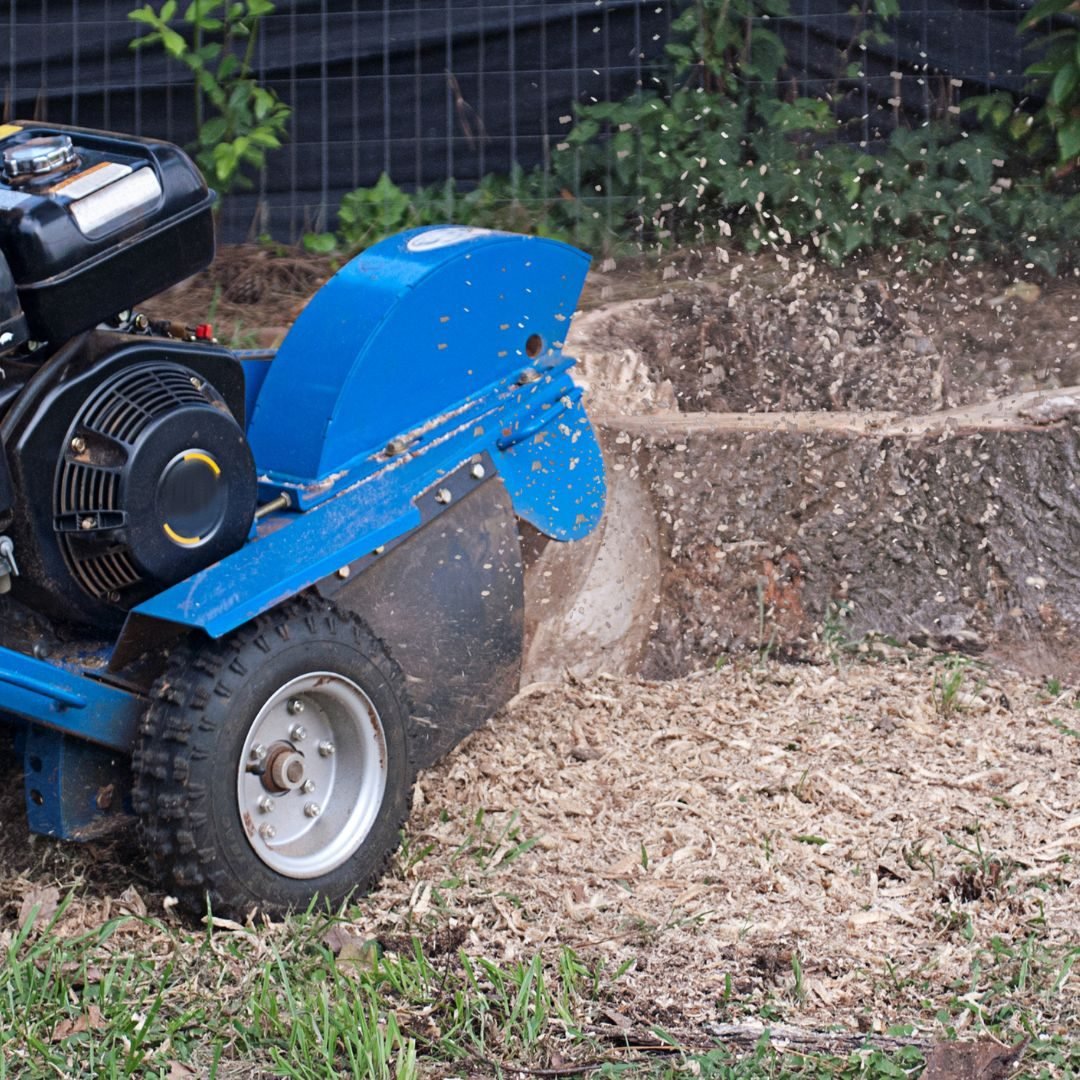
- Stump grinding leaving space for the replacements the code will require
- Emergency and storm work along Ridge Road, Chayes Park Drive and Heather Road
Storm damage. Downed wire, no exceptions: 911, then your electric company, then wait. We work behind them, not around them. Ring whenever it happens. We rank by threat, so an unsafe tree does not wait behind a routine trim.
What Tree Service Homewood Costs
Measure the trunk at four and a half feet before you call, if you can reach it safely. Twelve inches is the line between a straightforward job and a permitted one, and knowing which side you are on saves a week. Estimates are free.
Call 708-424-5885. See our Cook County coverage, and nearby: Flossmoor, East Hazel Crest.
19253 South Blackhawk Parkway #80
Mokena, Illinois 60448
708-424-5885
Inquiries@protreeservice.com
Open 24 hours a day, 7 days a week